
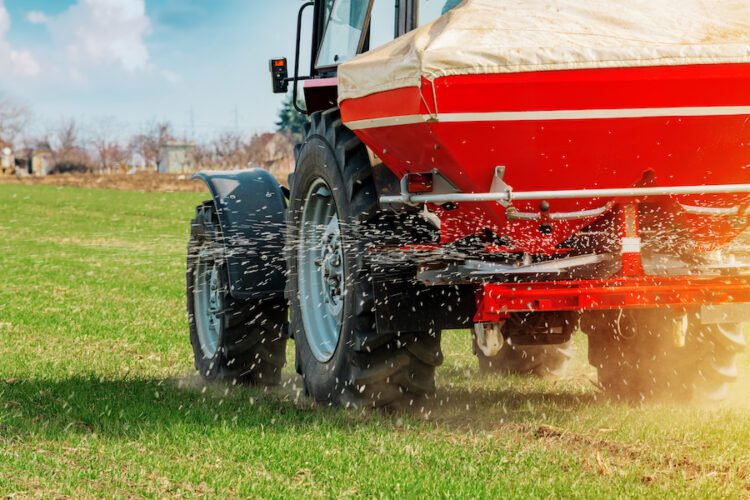
Fertiliser Feed Loans – spread the cost of your inputs
Being a farmer is tough enough at times and the rising costs of your inputs, such as Fertilisers and Animal Feeds, can make purchasing these inputs difficult out of cashflow.
Often at the time you need to order your fertiliser or feed there will be other demands on your cash, maybe you’re waiting for a supplier payment or have spent cash elsewhere in your business.
An input loan allowing you to spread the cost of your fertiliser or animal feed over up to 12 months may be helpful.
What information do I need to provide to apply for an input loan for fertiliser or animal feed?
The information that our lenders require is generally fairly simple:
- Farm trading name (Preferably a Limited Company)
- Amount required (£10K+)
- Copies of 3 months business bank statements
- Details of directors eg home address, date of birth and whether homeowner or tenant
Further details are sometimes required by the lender to enable them to undertake an assessment.
Credit Searches are undertaken by the lenders, so we will get your permission to search and verify your identification as part of the pre application process.
Do you only help farmers with fertiliser and feed loans?
No, we have access to a wide and varied panel of lenders operating within the agri sector and can therefore assist for finance requirements on a wide range of assets for a farming business including:
- Tractors
- Combine Harvesters
- Trailers
- Pickups
- Trucks
- Horseboxes
- Balers
- Sprayers
- All Terrain and Utility Vehicles
- Hedge Cutters
- Milking Parlours
- Mobile Chippers & Shredders
- Renewables – Solar, Biomass and Wind Turbines
- Cars
- Livestock Loans for Dairy Herds
We will be pleased to discuss all the finance options available with you.
Apply for a Fertiliser or Animal Feed Loan
In the first instance, please complete the form below and we will be in touch to discuss.
What are inputs, and how do they relate to farming?
Farm inputs, also known as agricultural inputs or farming inputs, refer to the various resources and materials used in agricultural production. These inputs are essential for cultivating crops, raising livestock, and maintaining the overall productivity and efficiency of a farm. Some common examples of farm inputs include:
- Seeds: Planting seeds is a fundamental input in agriculture. Different types of seeds are used for growing various crops, including grains, vegetables, fruits, and forage crops.
- Fertilisers: Fertilisers provide essential nutrients to plants, helping them grow and thrive. They supplement the soil’s nutrient content and promote healthy plant development. Fertilisers can be organic (such as manure and compost) or inorganic (such as nitrogen, phosphorus, and potassium-based fertilisers).
- Pesticides and Herbicides: Pesticides and herbicides are used to control pests, insects, diseases, and weeds that can damage crops. They help protect plants from harmful organisms and maintain their health and productivity.
- Livestock Feed: For farms that raise livestock, feed is a crucial input. It includes grains, hay, silage, and other nutritional supplements necessary to meet the dietary requirements of animals.
- Water: Access to clean, and adequate water is vital for agricultural production. It is used for irrigation, drinking by livestock, and various farm operations.
- Fuel and Energy: Farms require fuel and energy for machinery, irrigation systems, transportation, and other operations. This includes diesel, electricity, and alternative energy sources like solar or wind power.
- Agricultural Machinery and Equipment: Farming machinery and equipment play a significant role in modern agriculture. Tractors, harvesters, ploughs, sprayers, irrigation systems, and other tools are used for planting, cultivating, harvesting, and processing crops.
- Animal Health Products: In livestock farming, animal health inputs like vaccines, medications, and supplements are used to maintain the well-being of animals, prevent diseases, and promote growth.
- Farm Infrastructure: Buildings, barns, fences, storage facilities, and other infrastructure are essential inputs for managing farm operations effectively.
- Agrochemicals and Soil Amendments: Additional inputs include soil conditioners, lime, gypsum, and other agrochemicals used to improve soil fertility, pH levels, and overall soil health.
- Farm Advisory and Support Services: Inputs also include professional services such as agronomic advice, soil testing, veterinary services, and market information that help farmers make informed decisions and optimise their production processes.
The specific inputs required on a farm can vary depending on the type of farming, geographical location, crop or livestock species, and farm management practices. Farmers need to carefully select and manage these inputs to maximise productivity, sustainability, and profitability.